Thyroid surgery, and protecting the voice
Removing half the thyroid gland or all of it, with the nerves that carry your voice found and protected while it is done.
What it is
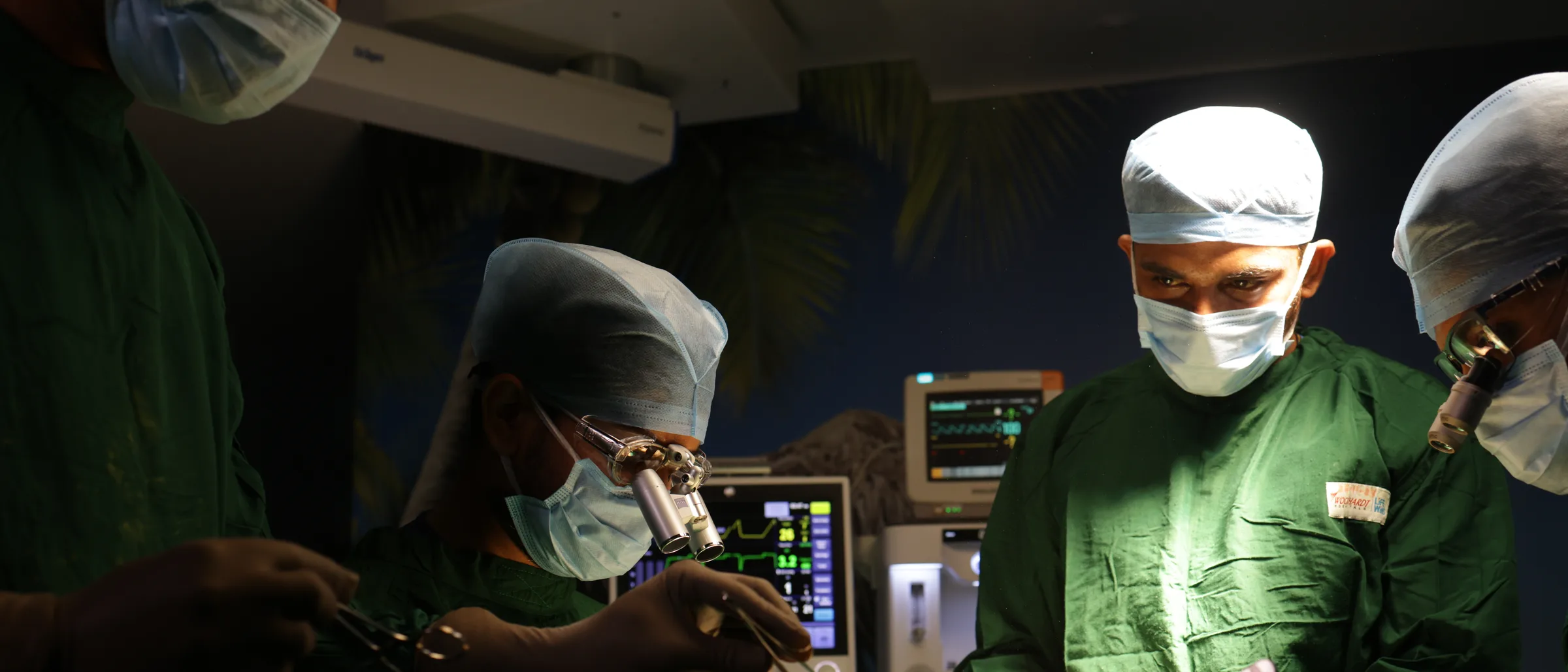
The thyroid is a small butterfly-shaped gland low in the front of the neck. Surgery removes half of it or all of it, and sometimes lymph nodes from the neck with it, depending on what the needle test showed and what the ultrasound found. What makes this operation particular is what lives immediately behind the gland. On each side, running up through a narrow space to the voice box, is a nerve — the recurrent laryngeal nerve — that opens and closes the vocal cord on that side. Higher up, a second, finer branch controls the pitch of your voice, the part you use to raise it or to sing. And tucked against the back of the thyroid, four glands each about the size of a grain of rice control the calcium in your blood. All of that sits in an area you could cover with two fingers. So this operation is as much about finding and keeping those structures as it is about taking the gland out. The nerve is identified by sight and followed along its length, and many surgeons also use nerve monitoring — intraoperative neuromonitoring, or IONM — where a small sensor rests against the vocal cords on the breathing tube and a probe touched to tissue makes the machine sound when that tissue is the nerve. Monitoring is a warning system, not a promise. It tells the surgeon where the nerve is and whether it is still responding; it does not replace careful dissection, and no surgeon should offer it to you as though it removes the risk.
What happens, step by step
- Before the day: the tests that shape the operation.
The needle test report and the ultrasound map of your neck between them decide how much gland comes out and whether any lymph nodes come with it. Blood tests show how the thyroid is working, and your calcium and vitamin D are checked, because starting the operation with low vitamin D makes the days afterwards harder. Tell the team about every medicine you take, particularly blood thinners, and about any previous neck surgery or radiation. If you have any hoarseness now, say so — it changes the plan.
- A look at your vocal cords before anything is done.
A thin flexible camera passed through the nose after a numbing spray lets the doctor watch your vocal cords move while you speak. It takes a minute or two and you stay awake. This is done beforehand on purpose: it records how your cords were before surgery, so that if your voice changes afterwards there is something honest to compare against instead of a guess. It also occasionally finds a cord that was already not moving, which nobody had noticed, and that changes what the surgeon plans to do.
- The morning: consent, and the two conversations worth having.
You will have been asked not to eat from midnight. Before you sign, two things should be explained to you in words you can repeat back: what could happen to your voice, and what could happen to your calcium. Ask how much of the gland is coming out and why, ask what happens if the frozen or final report differs from the needle test, and ask what your voice check showed. Bring somebody with you to hear the answers.
- In theatre: asleep, and lying in a particular position.
You are asleep for the whole operation. Your neck is extended over a support so that the front of the neck is presented to the surgeon, and a shoulder or neck ache the next day usually comes from having lain in that position, not from the wound. The incision is a short one placed low in the neck, inside a natural skin crease, which is why the scar settles into a line rather than sitting across the neck. It is closed with stitches under the skin that dissolve, or with glue, so there is usually nothing to remove afterwards.
- Finding the nerve, and the monitor.
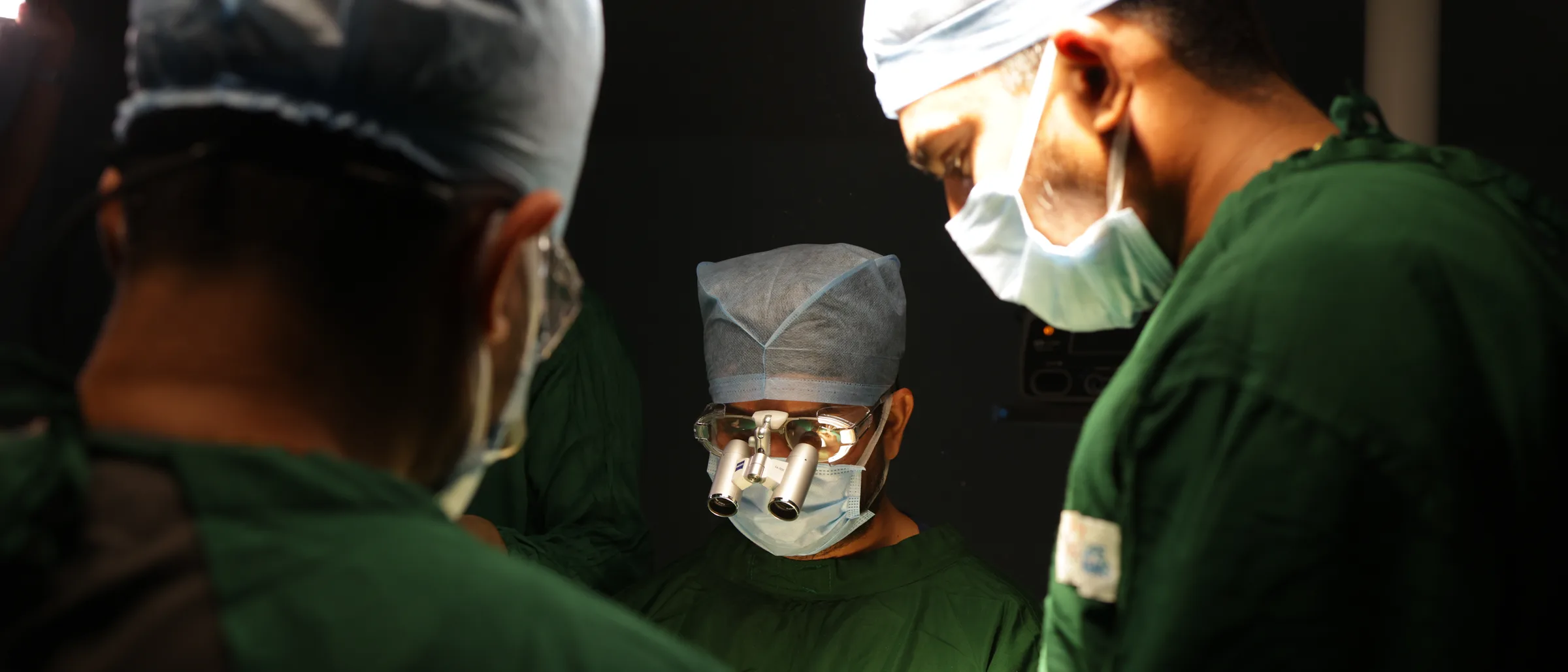
The gland is freed from the structures around it in a set order, and the nerve on each side is found and traced rather than avoided by guesswork — a nerve you can see is a nerve you can protect. Where nerve monitoring is used, it is: a sensor sits against the vocal cords on the breathing tube, and a probe touched to a strand of tissue produces a sound if that strand is nerve. It is used to confirm what the surgeon can already see, and to check at the end that the nerve is still responding. It is a warning system, not a promise, and a bruised nerve can still leave the voice weak for weeks even when everything looked right in theatre.
- The parathyroid glands, and why calcium matters here.
The four small glands that control your calcium sit against the thyroid and share its blood supply, so they can be bruised or lose their supply even when they are left in place. If a gland is accidentally detached, it is usually cut into small pieces and placed into a neck muscle where it can take up a blood supply again. When calcium runs low afterwards, the first thing you notice is a tingling around the mouth or in the fingertips, and later cramps in the hands. It is common after removal of the whole gland, it is treated with calcium tablets and vitamin D, and for most people it is temporary. This is why calcium is checked before you go home.
- Waking up, and the first day.
You wake with a sore throat from the breathing tube, a dressing or a line of glue on the neck, and sometimes a small drain. Your voice may be hoarse or weak on the first day; that alone does not mean the nerve is damaged, because swelling and the breathing tube both do it. You will be sitting up within hours, drinking the same day and eating soft food that evening. Turning your head feels stiff and tight. Your calcium is checked, and your voice is asked about deliberately rather than left for you to mention.
- Going home, and the report that follows.
Expect to stay one to two days. You go home with instructions about the wound, about calcium and about which tablets to start. If the whole gland was removed you begin a thyroid hormone tablet, taken each morning on an empty stomach, and the dose is set over the following months with blood tests rather than at one go. The final pathology report on the gland takes 24 to 48 hours, and it is that report — not the operation — that decides whether anything further, such as radioactive iodine, is needed. Your case goes back to the tumour board with that report before anything else is offered to you.
How long, and how often
The operation itself is measured in hours rather than in a whole day, and it takes longer when the whole gland is being removed or when lymph nodes are being taken from the neck as well; ask your surgeon for the expected length of yours rather than working from a number you read somewhere. The hospital stay is one to two days, and what usually holds people an extra day is calcium rather than the wound. At home, most people who do desk or shop work are back within one to two weeks, and heavy lifting and gym work wait until around four weeks or until your surgeon says otherwise. The neck feels tight and stiff for several weeks, particularly when you look up, and gentle movement helps more than resting it. The scar goes through a predictable sequence that surprises people who were not warned: a thin line at first, then red or firm and more obvious at around one to three months, then fading over the following six months to a year. Voice recovery, where the voice was affected, is measured in weeks to months rather than days, and a voice that is tired by the evening but fine in the morning is a familiar early pattern. Calcium tablets, if you need them, usually taper over weeks. The final pathology report comes back in 24 to 48 hours. If the whole gland was removed, the hormone dose usually takes a few blood tests over the first several months to settle, and you will be on one tablet a morning from then on.
Side effects, and the support that comes with them
A sore throat from the breathing tube for a day or two is close to universal, and so is a tight, gripping feeling in the front of the neck when you swallow, which can last for weeks or months and slowly loses its grip. Expect a numb patch of skin below the scar and sometimes over the front of the neck; it usually recovers over months and occasionally does not. Voice change is the effect people most want to know about. A weak, hoarse or tired voice in the first weeks is common and usually settles as swelling and nerve bruising recover. Difficulty with the high end of your voice — shouting across a room, singing, calling to someone at a distance — is a separate and quieter effect, and it matters a great deal to teachers, singers and anyone who calls out at work, so say if that is you. A lasting change in the voice is uncommon, and your surgeon will discuss that risk with you specifically before you consent. Low calcium after removal of the whole gland shows up as tingling round the mouth and in the fingers and, if it drops further, as cramping in the hands; tablets treat it, and it is usually temporary. Neck stiffness, a lumpy feel under the scar as it heals, and tiredness for a few weeks are all ordinary. If the whole gland is out and the hormone dose is not yet right, you may feel sluggish, cold and low, or the opposite — jittery and unable to sleep. Both are dose problems, both are fixable with a blood test, and neither is something to put up with quietly.
What we use
Nerve monitoring is the piece of equipment people ask about, and it is worth being clear about what it does. Where it is used it is. A sensor on the breathing tube rests against the vocal cords, and a probe touched to tissue produces a sound if that tissue is nerve, so the surgeon can confirm what is nerve before dividing anything and can check at the end of the operation that the nerve still responds. Used well it adds information. It does not replace seeing the nerve and following it, which remains the thing that protects it, and it cannot undo a nerve that has been stretched or bruised. Monitoring is a warning system, not a promise. The other things that matter here are not machines either: a properly reported needle test, an ultrasound that mapped the neck before the operation rather than during it, a check of your vocal cords before and after, and a calcium result before you are sent home. Those are reasonable things to ask about by name. Your reports, films and slides are yours — ask for them, keep them together, and bring them to each visit.
Questions we hear every week
Will the operation change my voice?
How big will the scar be, and where?
Will I have to take a tablet for the rest of my life?
Why am I getting tingling in my fingers and around my mouth?
Does taking the whole gland out mean I definitely have cancer, or that it is worse?
Have a report or a symptom you are unsure about?
Bring it in. If it is nothing, we will tell you it is nothing.
Medically reviewed by The surgical oncology team, Saurashtra Cancer Care, MCh / DNB Surgical Oncology · August 2026