Keyhole surgery for lung cancer
The same lung operation done through a few small cuts between the ribs, with a camera, where the tumour and your lungs suit it.
What it is
Keyhole lung surgery removes the part of the lung the cancer sits in — a segment, a lobe, or in some cases the whole lung on that side — along with the lymph nodes in the centre of the chest, exactly as an open operation does. What differs is the way in. Instead of one long cut with the ribs spread apart, the surgeon works through a few small cuts between the ribs, with a camera passing the picture to a screen. Where the tumour suits this approach, that usually means less pain afterwards and a shorter stay in hospital. It is not the better operation and it is not offered as one: it is not right for every tumour, and the answer comes off the scan, the biopsy and your breathing test rather than off preference. An operation that starts as keyhole is occasionally completed as an open one, and your consent covers both from the beginning, because that switch is a judgement made in the moment and not a complication.
What happens, step by step
- The tests that decide whether keyhole is possible at all.
The CT shows the size of the tumour, where exactly it sits, and whether it is touching anything it should not be. The PET/CT looks for anything outside the chest. The biopsy says what it is, and where the lymph nodes in the centre of the chest need sampling, that is done first as well. Then you are asked to blow into a machine: the lung function test measures what your lungs can do now, and from that your surgeon works out what you would be left with once the part holding the cancer is removed. Your heart is checked too. Only with those answers together can anyone say whether an operation is the right treatment, and whether it can be done through small cuts.
- Getting your lungs ready, and the pre-operative visit.
The weeks before the operation are not empty waiting. If you smoke, stopping now helps your lungs handle the anaesthetic and lowers the chance of a chest infection afterwards; there is a cessation counsellor here and it is free. A physiotherapist teaches you breathing exercises before the operation, not after, because they are easier to learn when it does not hurt to breathe. You come in for blood tests, an ECG and the anaesthetist's visit; bring every medicine in the strip, because blood thinners and some diabetes medicines have to be stopped or changed first. The consent form covers the keyhole operation and the open one, and it should be explained that way rather than glossed over.
- The morning of the operation.
You come in fasting from the time you were given, change into a gown, and a cannula goes into a vein in the back of your hand. The anaesthetist may place a fine tube in your back or give an injection between the ribs to numb the area — that is for the pain afterwards, and it is worth agreeing to. The side is checked out loud with you more than once. You are asleep before anything else happens, and you will not remember the theatre.
- Inside theatre: the ports, and the camera.
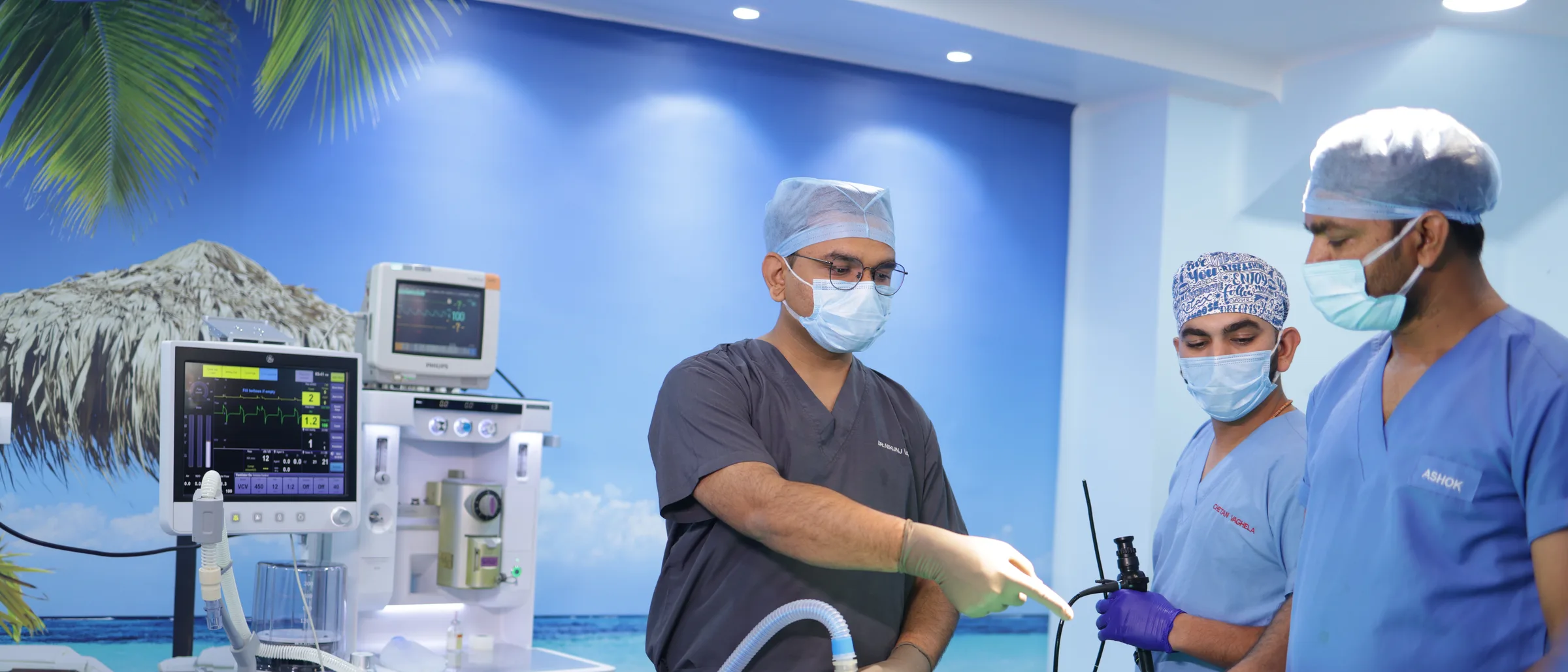
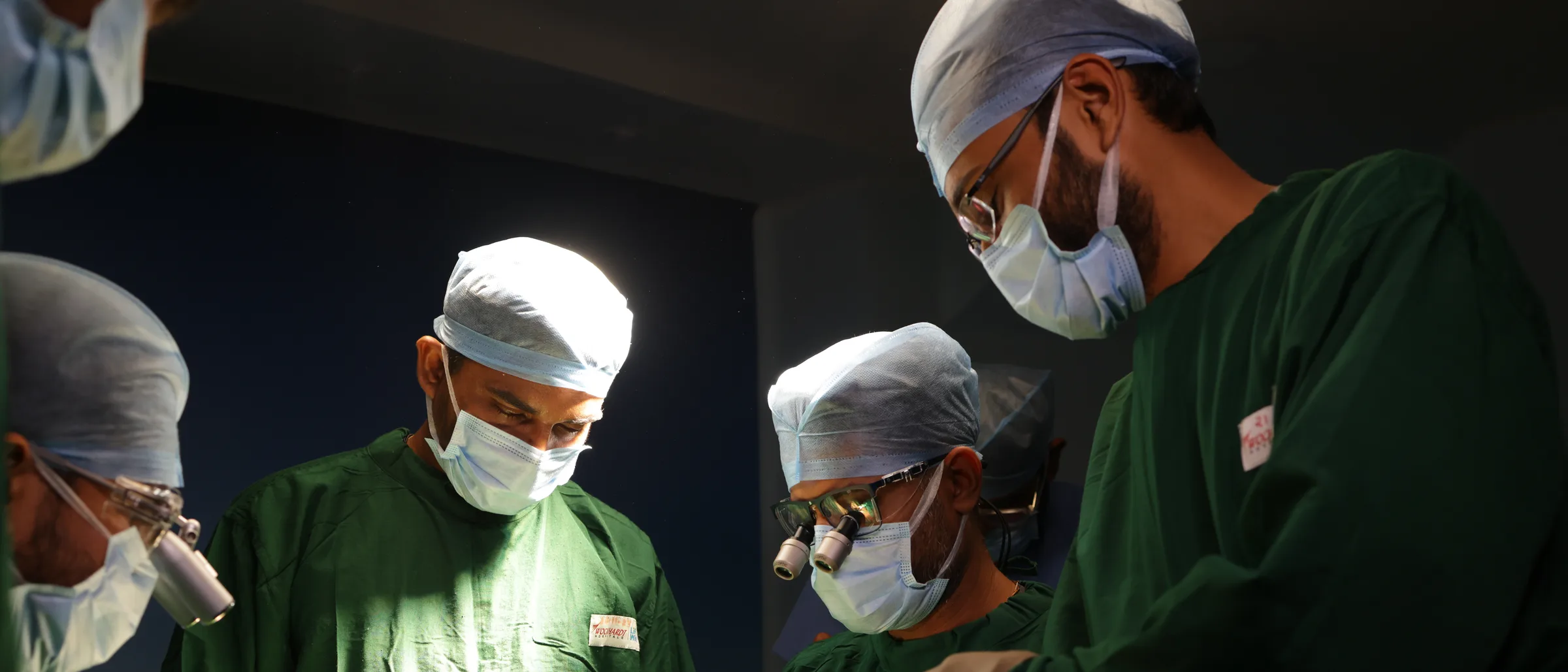
You are turned onto your side with the arm raised. The anaesthetist lets the lung on the operated side rest and empty while the other lung does your breathing for you; that is what makes the room the surgeon works in, and it is restarted before you wake. Two or three small cuts are made between the ribs — the ports. A camera goes through one of them and the picture appears on a screen, which is where the name video-assisted thoracoscopic surgery, VATS, comes from. The lung tissue holding the tumour is separated, sealed and removed through one of the cuts, and the lymph nodes in the centre of the chest are taken as well, because whether they are involved changes what comes after.
- When a keyhole operation becomes an open one.
Sometimes the surgeon opens the chest instead, and this is worth understanding beforehand rather than hearing it as bad news afterwards. Old infection can have stuck the lung to the chest wall; the tumour can be sitting against something that cannot be dealt with safely through a small cut; bleeding can need a hand rather than an instrument. In each case the operation itself does not change — the same lung tissue and the same nodes come out. Only the way in changes, and it changes because the surgeon judged it should. It is not a complication and it is not a failure, and it is why the consent form covers both.
- Waking up, and the tube in your side.
You wake with a drain coming out between the ribs into a bottle, and the bottle bubbles when you cough or breathe out. That bubbling is air leaving the chest and it is expected in the first days. The drain lets air and fluid out so the lung stays expanded, and it stays until the leak stops and the fluid settles — which is usually what decides when you go home, more than how you feel does. It aches and pulls, especially when you move, and the pain relief is given on a schedule; say clearly when it is not enough. Most people are sat out of bed the same day or the next morning, and that is deliberate rather than unkind.
- The breathing exercises, the walking, and going home.
From the first day the physiotherapist has you doing the breathing exercises you learned beforehand, clearing your chest, and walking. Hold a folded pillow firmly against the wound when you cough; it hurts less and it works better. These exercises are what keeps the lung expanded and infection out, and they matter far more than they look like they do. Oxygen through the nose for a day or two is common and is not a bad sign. four to seven days is the usual stay. Before you go home you are told how to look after the wounds, what you may lift, when the stitches come out, and to keep the exercises going once you are home — which is where most people quietly stop.
- The report, and the plan after it.
The lung tissue and every node removed go to the laboratory, and 24 to 48 hours is the usual wait for the report. The stage after an operation is sometimes not the same as the stage before it, because the nodes can only be examined once they are out — that is the report doing its job, not something having gone wrong. Your case goes back to the tumour board with it, and whether chemotherapy, radiation or a targeted tablet belongs in your plan is decided there rather than by one doctor alone. You are seen in the clinic to have the wounds checked, and told what the follow-up looks like from then on.
How long, and how often
From the first consultation to the operation is usually a matter of a few weeks, and most of that is the tests: the CT, the PET/CT, the biopsy and its report, the breathing test, and the tumour board, which sits on a set day of the week. That is the workup, not a queue. You are admitted the day before the operation or on the morning of it. How long the operation takes depends on where the tumour is, how much lung is being removed and what the surgeon finds inside, so ask what to expect in your case rather than holding a fixed number in your head — and if the family are waiting, they should know that the time before anyone comes out includes the anaesthetic beforehand and the recovery room afterwards. four to seven days is the usual stay, and the chest drain is what most often decides it: it comes out when the air leak has stopped and the fluid has settled, and a leak that carries on for a few extra days is common and is dealt with by waiting rather than by doing anything more. 24 to 48 hours for the pathology report. At home, most people are moving around the house from the start and walking further each week. Expect a few weeks before you are doing your usual routine, longer before heavy lifting or heavy work, and ask about driving rather than assuming. Getting your breath back to where it was takes longer than the wounds take to heal — weeks to months, improving in a way you notice week to week rather than day to day. If further treatment is part of the plan, it usually begins several weeks after the operation, once you have healed enough for it.
Side effects, and the support that comes with them
The port sites are sore, and the deepest soreness is usually where the drain was rather than where the tumour came out. Pain along the rib, and numbness or an odd burning in the skin below the wounds, comes from the nerves that run under each rib being pressed on; it can carry on for weeks or months and it fades slowly. Shoulder pain on the operated side is common in the first days and is not a sign of anything wrong with the shoulder. Expect to be short of breath on stairs and slopes for a while, and to get tired much faster than you expect for some weeks. A cough that lingers after chest surgery is ordinary. An air leak that keeps the drain in longer than planned happens and is not a setback. Fluid can collect and occasionally needs draining again. The heart can go into an irregular rhythm for a few days after chest surgery, which is known and treated with medicine. A chest infection is the thing the breathing exercises are there to prevent, which is why nobody stops asking you to do them. Appetite is often poor for a couple of weeks, and small frequent meals go down more easily than three large ones. And if part of a lung has been removed, some breathlessness with heavy exertion can stay for good; how much depends on how much was removed and what your breathing test showed beforehand, and your surgeon can tell you what to expect in your own case.
What we use
The operation is done in the theatre of the hospital where your surgeon operates, and the camera, screen and instruments are that hospital's. Ours is. It is worth being plain about what that does and does not decide: the equipment is what makes a keyhole approach possible, but whether it is the right approach for you is decided by where the tumour is, how big it is, whether the lung is stuck to the chest wall from an old infection, and what your breathing test showed. That is a judgement made from your scans by a surgeon who does these operations, and no camera makes it for them. The same judgement is why an operation can be completed as an open one, and why a surgeon who begins through small cuts and finishes through a larger one has done the right thing rather than the wrong one. Pathology reports come back in 24 to 48 hours. Your scans, slides and reports are yours: ask for them, keep them together, and bring them to every appointment, including the scans done before the operation, because the follow-up scans are read against them.
Questions we hear every week
Is keyhole surgery better than the open operation?
My operation was started as keyhole and finished as an open one. What went wrong?
How much lung will be taken, and will I be able to breathe afterwards?
Why is there a tube in my chest, and does it hurt to take out?
When can I lift things, drive, and go back to work?
Have a report or a symptom you are unsure about?
Bring it in. If it is nothing, we will tell you it is nothing.
Medically reviewed by The surgical oncology team, Saurashtra Cancer Care, MCh / DNB Surgical Oncology · August 2026