Follow-up
Treatment ends. Follow-up does not end with it. This page answers the questions families ask us about it, in the order they ask them.
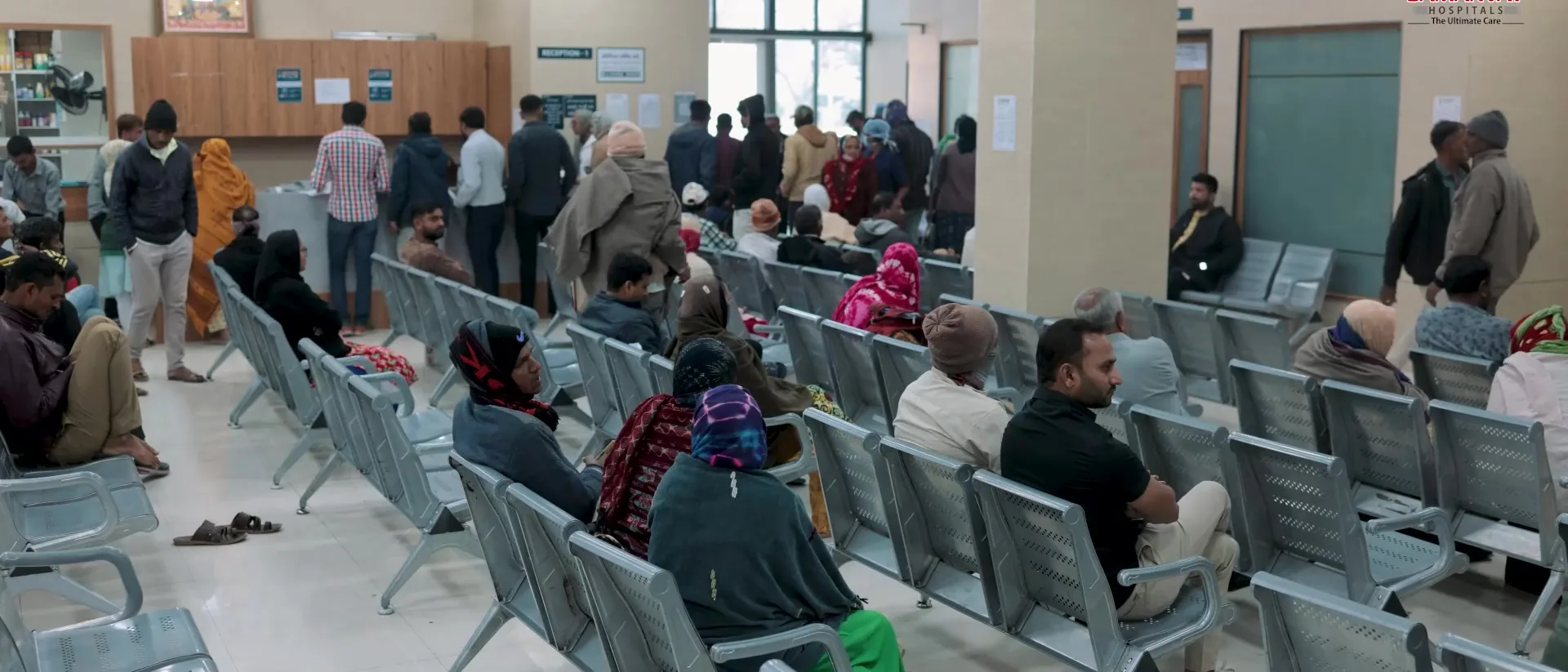
What a follow-up appointment is
A follow-up is a booked appointment with the doctor who has been treating you, after the active part of treatment is over. It is short, it is planned in advance, and it is a different thing from coming in because something is wrong.
- The doctor examines you, and asks how you have actually been — eating, weight, pain, speech, sleep, work.
- Anything asked for beforehand — blood tests, a scan — is done before the appointment, so the result is in the room rather than two weeks behind it.
- Medicines are reviewed. Some are stopped at a follow-up, and stopping one at the right time is as much a decision as starting it.
- You leave knowing when the next one is.
Bring the folder you have always brought, and your questions. The question list in our patient guide works as well after treatment as it did before it.
Why follow-up matters
Follow-up does three jobs, and only the first is the one people expect.
- Surveillance. If the cancer comes back, follow-up is how it is found while it is still small — when there are more options and they ask less of you. It is the same reason finding it early mattered the first time.
- Late effects. Treatment can leave lasting changes to swallowing, speech, the mouth or energy, and many of them can be helped once somebody knows about them. Most are never mentioned unless there is an appointment to mention them at.
- The second-cancer question. In this region the tobacco habit behind most head-and-neck cancer is often still there afterwards, so the mouth is looked at every time. If you have stopped, follow-up is where that is recorded; if you have not, it is where the cessation counsellor comes back into it, and that is free.
None of this depends on you noticing something first. That is the point of a booked appointment: it happens whether or not anything feels wrong.
Rehabilitation after treatment
The wound heals in a few weeks. Speech, swallowing, mouth opening and shoulder movement take much longer than that, and they are among the things a follow-up appointment exists to adjust. Which of the services below the practice can arrange, at which hospital and on which day, is a fact about the practice rather than something a page can work out — so each line stays a blank for the practice to fill in, and we would rather leave it visible than guess at it.
- Speech and swallowing after head and neck surgery: this usually needs regular practice for months, not weeks. Ask who will guide it.
- Mouth opening and jaw exercises: mouth opening narrows after surgery and radiation unless it is worked at every day.
- Shoulder, arm and neck movement after a neck dissection or an operation in the armpit: shoulder and neck movement stiffens if it is not used. Do the exercises you are given, daily.
- Swelling of the arm after breast surgery: if an arm or the face swells, say so — even years later. It is easier to settle early.
- Voice after larynx surgery, and the care a voice prosthesis needs: it needs periodic changing. Ask where that will be done before you go home.
- Eating, weight, and a feeding tube if you went home with one: weight is the thing to watch. Small frequent meals, and tell us if you are losing weight.
Exercises work when they are started at the right time and done every day, and both of those come from the person who taught them to you rather than from a page. If nobody has shown you any, ask at your next follow-up — that is one of the things the appointment is for.
When to come back
The honest answer is that the interval is a clinical decision, and the practice has not published its schedule yet. Rather than print an interval that would read just as convincingly while being wrong for you, the four lines below stay empty until the practice fills them in. Your own schedule is set by your doctor and written on your discharge summary, and that is the one that applies to you.
- First follow-up after treatment ends: about four to six weeks after treatment finishes
- How often after that, and for how many years: every three months for the first two years, every six months until the fifth year, and once a year after that
- Which tests or scans are part of it, and when: Scans are done when there is a reason to do one — a symptom, or a finding on examination — rather than to a fixed calendar
- What to do if an appointment is missed: Phone and take the next slot. A missed visit is worth rebooking, not worth abandoning the schedule over
Between appointments, anything new that has lasted more than two weeks is worth a phone call rather than a wait for the date on the card. That two-week rule is the one on our oral and head-neck page, and it does not change after treatment.
Where to come
Saurashtra Cancer Care consults at two host hospitals, in two different cities. A follow-up can be at either one, so book whichever is nearer to you — and say which on the call, because the appointment desk needs to know that before it rings you back.
Samanvay Hospital
Koyali Fatak, near Railway Overbridge, Junagadh–Vanthali Highway, Shapur, Junagadh, Gujarat 362205
Junagadh
Wockhardt Hospital
Kalawad Road, near St. Mary's High School, Rajkot, Gujarat 360007
Rajkot
Book your follow-up
One call, one appointment, at whichever of the two hospitals is nearer to you.