Surgery, then heated chemotherapy in the abdomen
A long operation for cancer that has spread across the lining of the abdomen, offered to a selected group of people after the tumour board has looked at the case.
What it is
The abdomen is lined by a thin membrane called the peritoneum, which also covers the organs inside it. Some cancers — of the ovary, the appendix, the colon and rectum, the stomach, and a rare condition called pseudomyxoma — spread as deposits across that lining rather than travelling to distant organs. This operation is for that situation, and it has two parts done in one sitting. The first is cytoreductive surgery: removing every deposit that can be seen, which usually means stripping away the affected lining itself, an operation called a peritonectomy, along with any organ or part of an organ the disease has grown into. The second, once nothing visible remains, is heated chemotherapy — HIPEC — in which a warmed chemotherapy solution is circulated through the abdomen for a set period while you are still asleep, to act on the film of cells too small to see. Two things should be said plainly before you read on. This is a long operation with a real recovery, measured in weeks rather than days, and a critical-care bed is part of the plan rather than a sign that something has gone wrong. And it is offered to a selected group of people: those whose disease, its extent, and their general health together make it a sensible operation. Peritoneal surface oncology, including cytoreductive surgery and HIPEC, is a stated area of work of one of our surgical leads. Whether it is right for you is decided at the tumour board, not by one doctor alone.
What happens, step by step
- Deciding whether this operation is for you.
Not everyone with disease in the lining of the abdomen is offered this. Your case goes to the tumour board with the scans and the pathology report. The board weighs how widely the lining is involved, which organs are affected, whether there is disease outside the abdomen, how the cancer has behaved on treatment so far, and whether your heart, lungs, kidneys and nutrition would carry an operation of this size. Sometimes a short keyhole look inside under anaesthetic comes first, because the extent of disease on the lining is what a scan reports least reliably. If this is not the right operation for you, you are told so, and told what is offered instead.
- The preparation, which is longer than for other operations.
The work before the day is substantial and none of it is padding. You see the anaesthetist, and heart and lung tests are done. Blood is arranged and kept ready. Your nutrition is assessed — going into this operation underweight makes everything after it harder, so you may be asked to build up first. Blood thinners and some diabetes medicines are stopped or changed on instruction. A physiotherapist teaches you the breathing exercises beforehand, so you are not learning them in pain afterwards. A critical-care bed is booked as part of the plan, a night or two in intensive care immediately afterwards, and the consent conversation covers all of it, including the possibility of a stoma.
- The day of the operation.
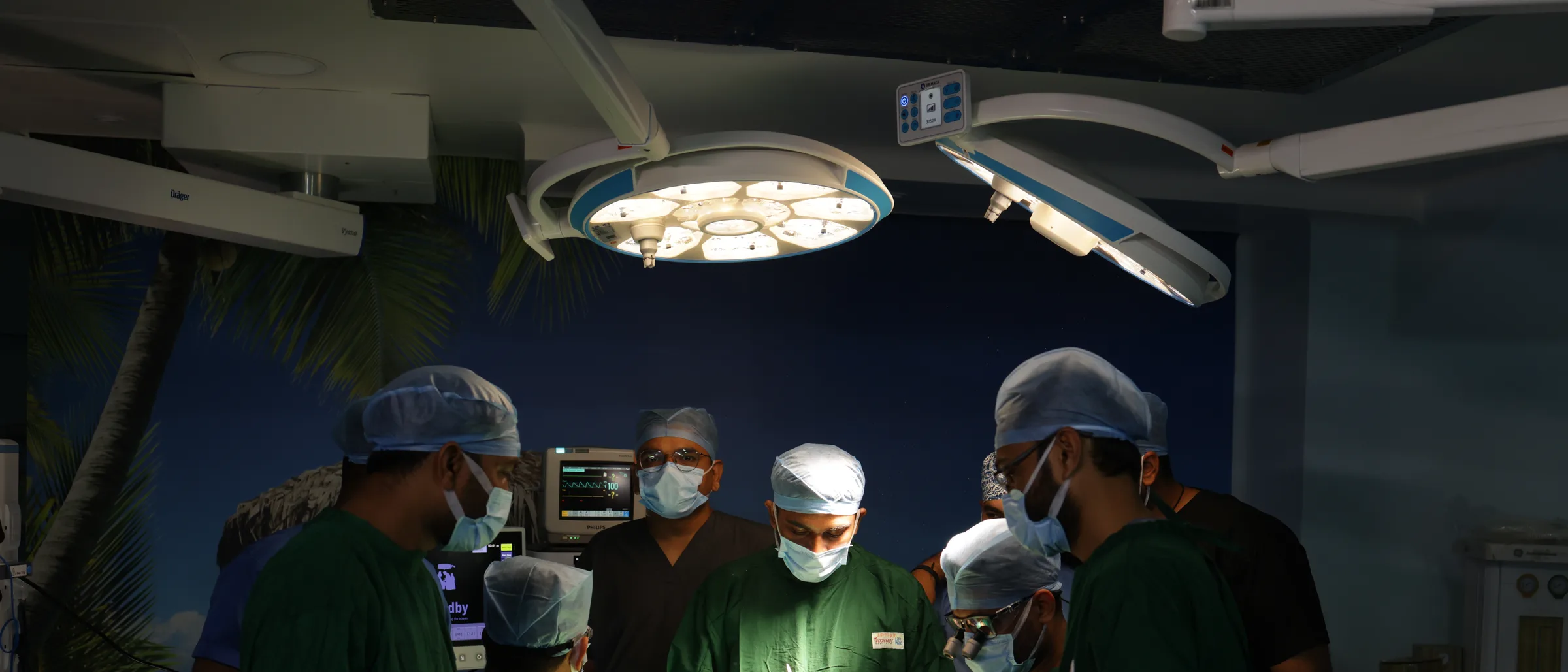
You are admitted at least a day before, and asked not to eat or drink after stated times. In theatre you are put to sleep as for any major operation, and several lines are placed while you are asleep: a drip in the neck or arm, a fine tube in the wrist to watch the blood pressure continuously, a catheter, and usually an epidural for pain afterwards. Your family should be told the expected length, given a number to ring, and told where to sit — and told not to read anything into a long wait. This operation is long by design.
- The first part: removing everything that can be seen.
This is done as an open operation, through one long cut down the middle of the abdomen, because every surface has to be inspected by hand and eye. Your surgeon works systematically through the whole abdomen and scores how much of the lining is involved. The affected lining is stripped away region by region — from under the diaphragm, from the pelvis, from around the liver and the bowel — and any organ, or part of one, that the disease has grown into is removed with it. Where bowel is removed the ends are joined, and in some cases a stoma is made. This is the longest part of the operation and the part that decides everything after it. The aim is to leave nothing visible behind.
- If cytoreduction is not achievable.
Sometimes what the surgeon finds on opening the abdomen is more extensive than the scans showed, and removing all the visible disease is not possible. The heated chemotherapy is then not given, because it only makes sense once nothing visible remains. The operation is closed, sometimes after doing what was useful and possible that day — relieving a blockage, taking a fresh biopsy, forming a stoma. This is not the operation failing. It is information that could only be obtained by looking, and it moves you to a different plan rather than to none. You and your family are told afterwards what was found, why the decision was made, and what is offered next.
- The heated chemotherapy.
Once nothing visible remains the second part begins, and you are asleep for all of it. A chemotherapy solution is warmed to a little above body temperature and circulated through the abdomen by a machine that keeps it moving and holds the temperature steady,. It runs for a set period, and the abdomen may be gently rocked so the fluid reaches every surface. The warmth is part of the treatment, not a side effect of it. Very little of the drug passes into the rest of the body, which is why it can be given here at a strength that would not be given into a vein. The fluid is then drained out, the abdomen washed and the cut closed.
- Critical care, and the first days.
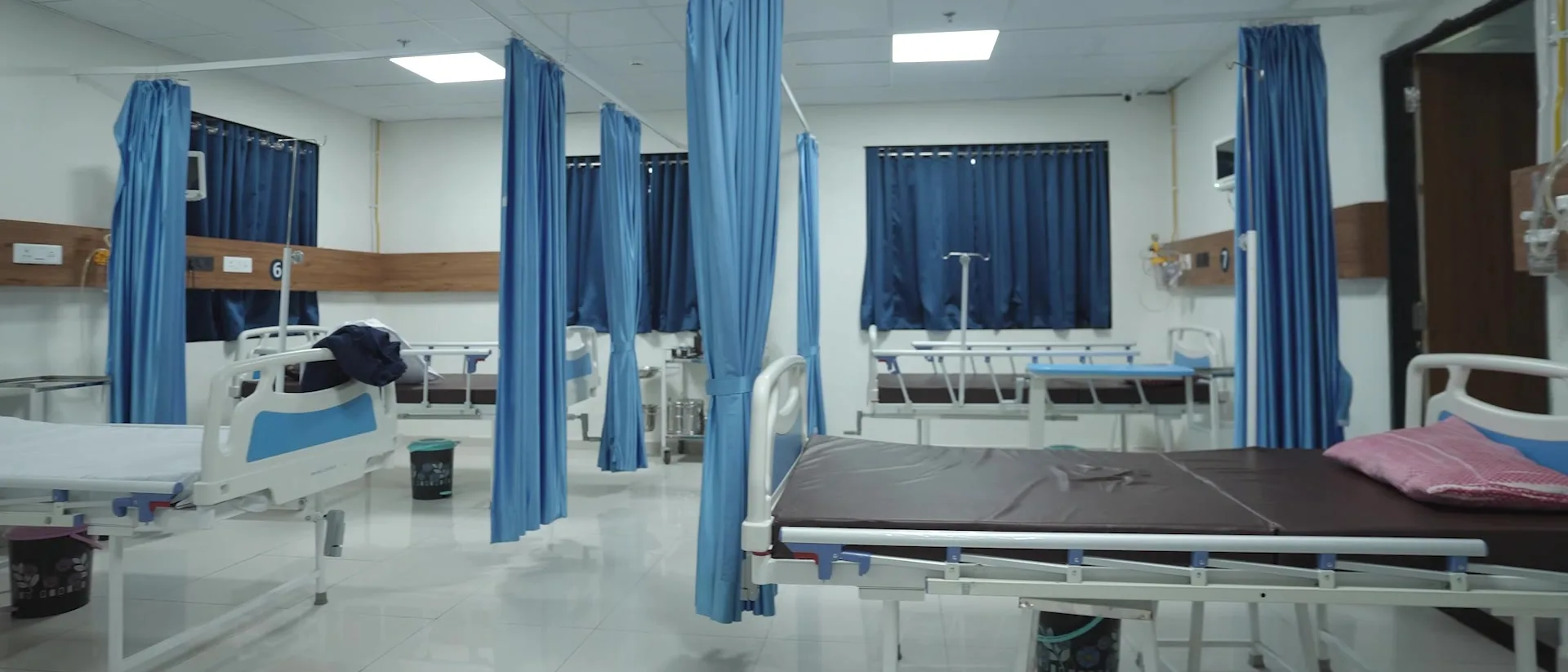
You go from theatre to the critical-care unit, and that is the plan, not a complication. The breathing tube often stays in for some hours while you warm up and settle, so your family should be prepared to see you on a ventilator. You will have several drains, a tube through the nose into the stomach, a catheter, and lines in the neck and arm. You will not eat for some days, and nourishment is given through a vein until the bowel wakes up. Blood counts, kidney function and fluid balance are checked repeatedly. Being muddled, or losing track of day and night, is common here, and it passes.
- The ward, then home.
You move to the ward when the critical-care team is satisfied, and progress from there is measured in small daily steps: one tube out, then another, sitting, standing, walking the corridor. Food restarts slowly, and appetite lags well behind permission to eat. If a stoma has been made you are taught to manage it before you go home. seven to ten days is what is planned for. Everything removed goes to the laboratory, and that report — 24 to 48 hours — is discussed with you at follow-up, along with whether further chemotherapy is advised. Recovery at home continues for weeks after discharge, and that is the ordinary shape of this operation.
How long, and how often
This is a long operation and there is no honest way to make the number smaller. How long it takes depends on how much of the lining is involved and how many organs have to be dealt with, so your surgeon can give only a range beforehand. Ask for it in your own case, and ask your family to expect the wait to run past it, because the anaesthetic, the lines placed at the start, the heated chemotherapy itself and the settling afterwards are all real time sitting outside the operating figure. The family should plan for a whole day at the hospital and should be given a number to ring rather than sitting outside the theatre door. Afterwards the critical-care stay is counted in days rather than hours, a night or two in intensive care immediately afterwards, and the total hospital stay is seven to ten days, moving with how quickly the bowel starts working and how the wound heals. At home, recovery is measured in weeks and not in days. Strength and appetite are the last two things to come back, and most people find the second month easier than the first without being able to name the day it turned. You are asked not to lift anything heavy while the long wound becomes strong. If further chemotherapy is advised on the pathology report, 24 to 48 hours, it begins once you have healed and put on weight, not while you are still recovering from the operation. Somebody at home has to be free to look after you for that period, and arranging that before the operation rather than after is one of the most useful things a family can do.
Side effects, and the support that comes with them
This section is long because the operation is, and it is easier read before than after. Expect pain from a long wound, held by an epidural or a pain pump at first and by tablets later; say when it is not held, because pain that stops you breathing deeply or walking is what leads to a chest infection. Expect a tiredness different in kind from ordinary tiredness, lasting weeks. The bowel is slow to wake, so days of no appetite, of feeling full, of nausea and of a tube through the nose are usual. Weight is lost and takes months to come back, which is why the dietitian is part of the treatment and not an extra. The chemotherapy can lower the blood counts for a period, which is why they are checked, and it can affect the kidneys, which is why fluids are watched so closely. Some people need a blood transfusion. If a stoma has been made, you are taught to look after it before you go home. If the ovaries or uterus were removed, periods stop and the menopause follows, arriving all at once rather than gradually — there are treatments for that and it is worth asking. Later on, a hernia at the long wound, numbness around the scar, and adhesions inside that cause episodes of colic are all possible. In hospital the team watches for bleeding, infection, a leak where the bowel was joined, clots in the legs and lungs, and chest infection; the early sitting up, the breathing exercises, the stockings and the blood-thinning injections all exist because of those. And the part that is rarely written down: weeks of depending on other people is hard on the mind as well as the body, and low mood during this recovery is common. Say so rather than treating it as weakness.
What we use
The heated chemotherapy is delivered by a machine that circulates the fluid, holds it at a set temperature and measures what goes in and what comes out — — and a critical-care bed with ventilator support is booked as part of the same plan, a night or two in intensive care immediately afterwards. Two honest notes belong here. First, this practice consults and operates inside hospitals it does not own, so the theatre, the machine and the critical-care unit belong to the hospital where your operation takes place; you are told which hospital that is, and why, before a date is fixed. Second, the machine is the smaller half of this. What this operation achieves is decided by the first part — whether all the visible disease could be removed — and that is surgical work, settled by what is found inside and by the judgement of the team doing it. The heated chemotherapy is what follows a complete removal; it is not a substitute for one. Everything removed is reported in 24 to 48 hours. Ask for a copy of that report, of the operation note and of the discharge summary, and keep them together.
Questions we hear every week
Why is this operation offered to some people and not to others?
What happens if the surgeon opens the abdomen and cannot remove everything?
Why do I need an intensive care bed if the operation goes well?
Is the heated chemotherapy the same as chemotherapy given by drip?
How long before I feel like myself again?
Have a report or a symptom you are unsure about?
Bring it in. If it is nothing, we will tell you it is nothing.
Medically reviewed by The surgical oncology team, Saurashtra Cancer Care, MCh / DNB Surgical Oncology · August 2026